
Types of Erosion
Water, Wind, and Glacial Erosion
Erosion is the natural process by which water, wind, ice, and other geologic agents wear away and transform rocks and soil over time. It is one of the main mechanisms that shape Earth’s landscapes, from vast canyons and desert dunes to the sharpest mountain peaks.
There are three main types of erosion based on the agent that causes it: water erosion (caused by water), wind erosion (caused by wind), and glacial erosion (caused by ice). Each type leaves distinct marks on the land and creates unique landscapes around the world.
21 de mayo de 2024
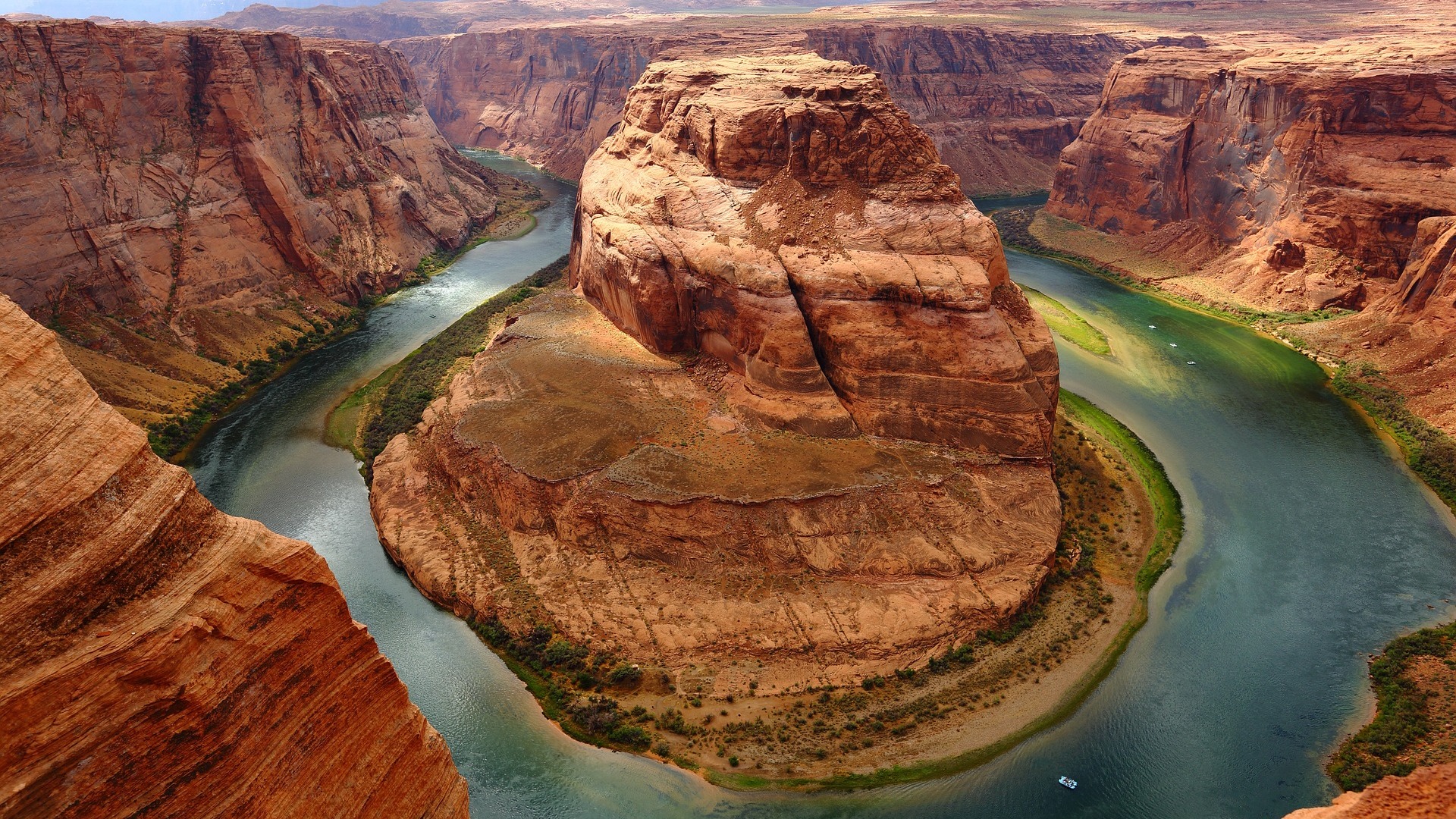
Our planet Earth, with its towering mountains, vast deserts, and rugged coastlines, showcases the transformative power of wind and water. These two elements, often overlooked in our daily lives, have the ability to both create and reshape the landscapes around us.
Water Erosion: Rivers, Rain, and Glaciers That Carve Rock
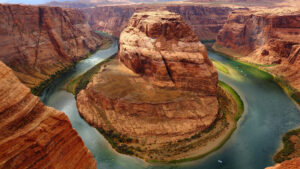
Water, in both liquid and frozen forms, is one of Earth’s greatest sculptors. When snow and ice melt in the mountains, they form rivers that meander and wear away rock, creating deep valleys and majestic canyons, sometimes leaving deep marks on the Earth’s surface. As water travels underground, it creates caves where stalactites and stalagmites grow like stone organs in a cathedral.
The Grand Canyon: an Example of Water Erosion
The Grand Canyon, known for its grandeur and natural beauty, is one of the world’s most impressive geological formations. Located in Arizona, USA, this colossal canyon is a true gallery of natural art, sculpted over millions of years by the relentless work of water and other geological forces.
The Grand Canyon was mainly shaped by erosion from the Colorado River. For about 5.3 million years, this river has tirelessly cut through various layers of rock, creating a canyon that is more than 1,500 meters deep in some areas. The canyon’s walls are made up of different types of rock, each with its own coloration. As the sun moves throughout the day, the canyon’s colors change, offering a unique visual display. These layers of rock reveal a geological record that spans nearly two billion years and provide a unique window into the Earth’s past history.
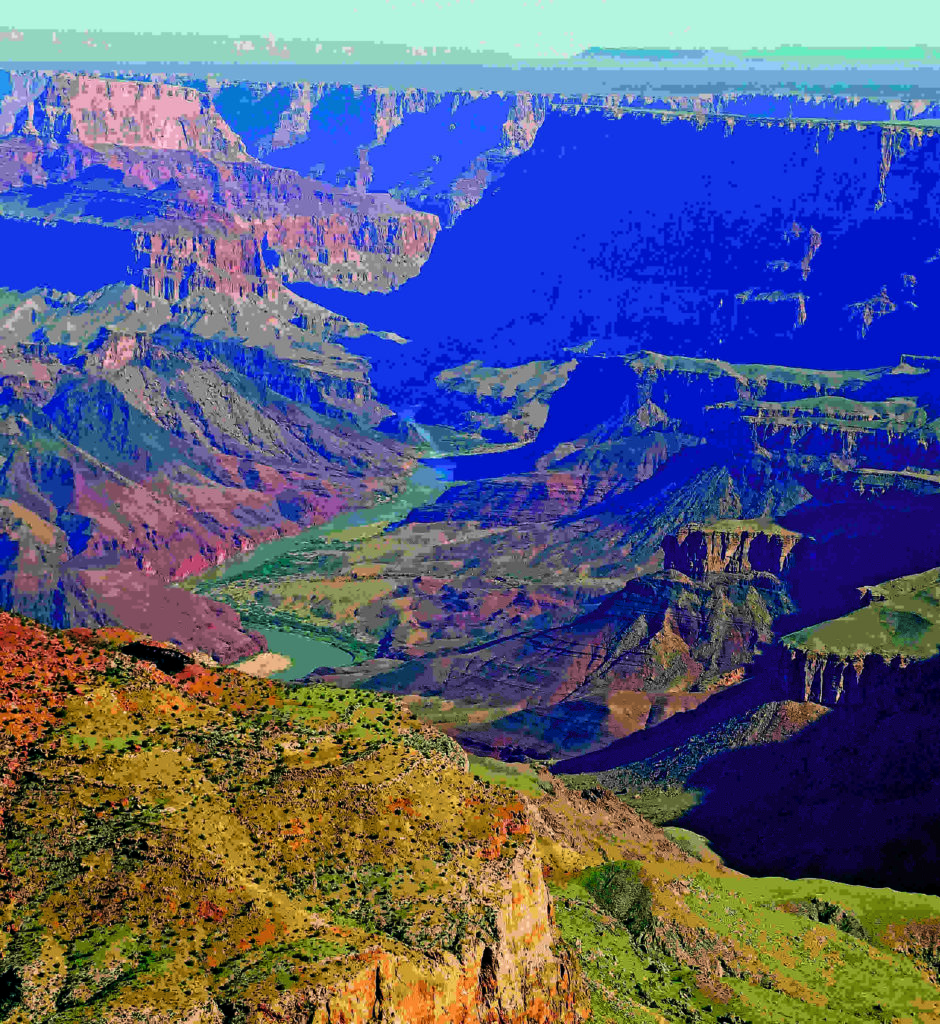
Colorado River, Arizona, USA
Wind Erosion: The Wind That Shapes Dunes and Rocks
Wind, whether it blows as a gentle breeze or a powerful gust, is a geologic artist working with remarkable patience to erode surfaces. In deserts, for example, wind acts like a painter, using sand and dust to shape dunes that may appear still but are constantly moving. The same force can wear down rocks, uncover ancient civilizations buried beneath the sands of time, or carve rock formations into striking shapes, such as fairy chimneys or hoodoos.
Abrasion is the main mechanism of wind erosion. Sand carried by the wind strikes the surface of rocks and gradually wears them away. This process creates characteristic landforms called ventifacts, in which it is possible to identify the areas most exposed to the action of wind and sand.
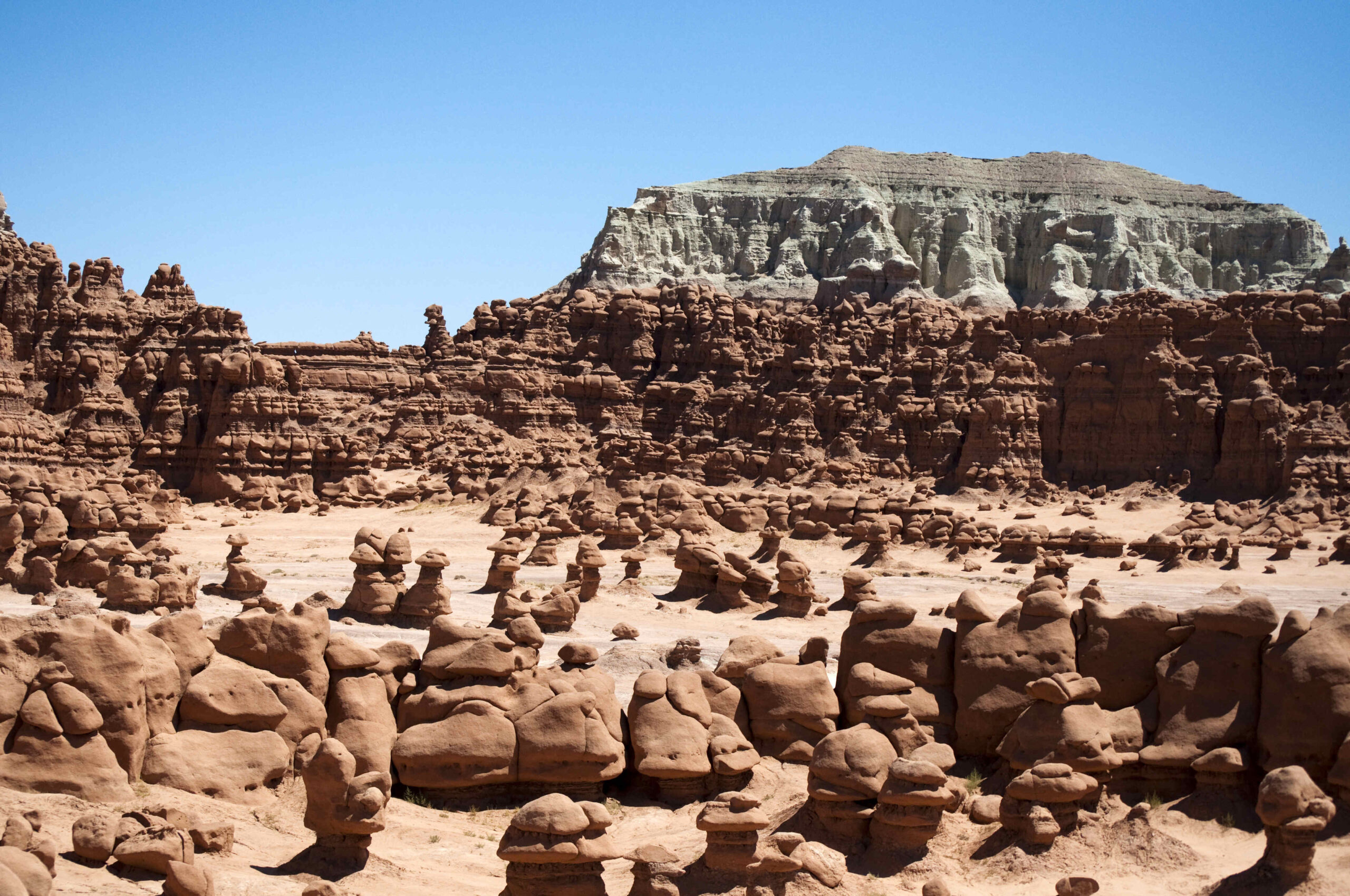
Hoodoos at Goblin Valley State Park, Utah, USA
Glacial Erosion: Ice That Sharpens Mountains
Glaciers are among the most powerful erosive agents in nature. Their immense weight and slow movement act like giant sheets of sandpaper on the underlying rock, creating some of the most distinctive landscapes found in major mountain ranges.
The highest mountain peaks are often surrounded by glaciers. As glaciers erode the bases of these peaks, they produce sharp summits and narrow rocky ridges, some of the most recognizable landforms on Earth. Mount Fitz Roy, in Argentine Patagonia, is an iconic example of this type of glacial erosion.
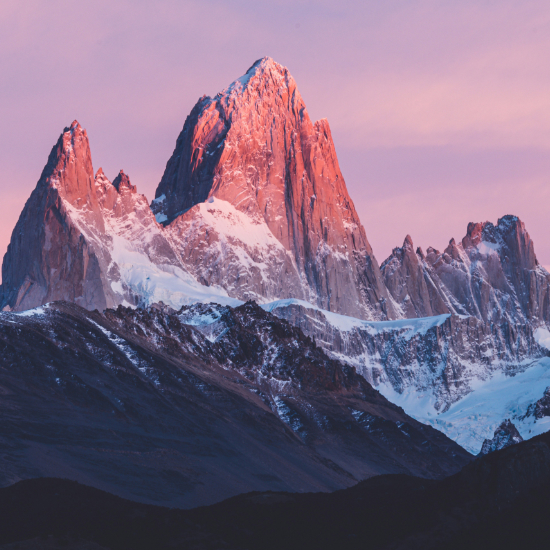
Mount Fitz Roy, Patagonia, Argentina
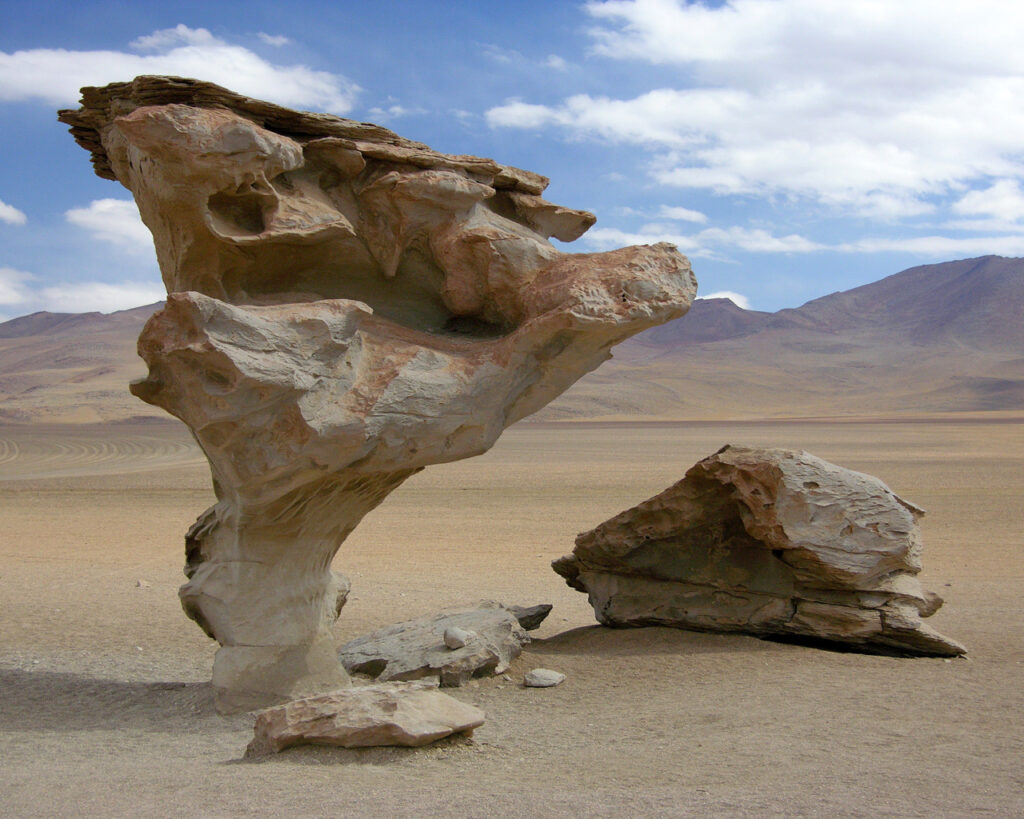
Stone Tree, Siloli desert, Bolivia
Abrasion. Wind-blown sand erodes the surface of rocks it hits. This type of erosion shapes rocks into characteristic forms called ventifacts, where you can see the parts most exposed to the action of wind and sand.
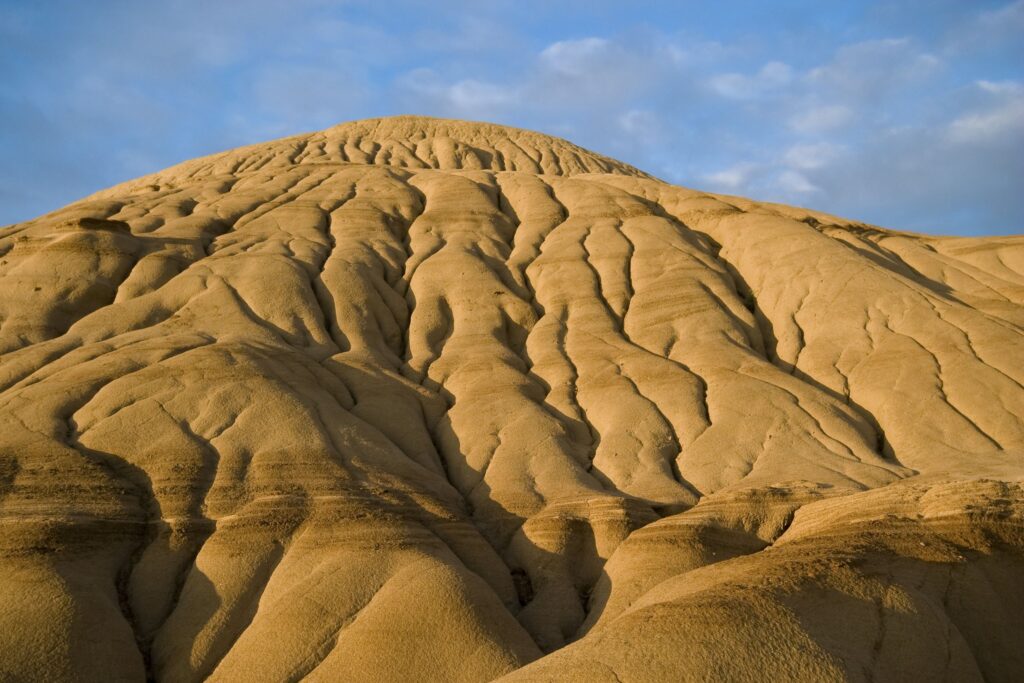
Bardenas Reales, Navarra, Spain
Gullies. Gullies are shallow grooves carved into slopes with little or no vegetation, caused by the flow of wild waters.
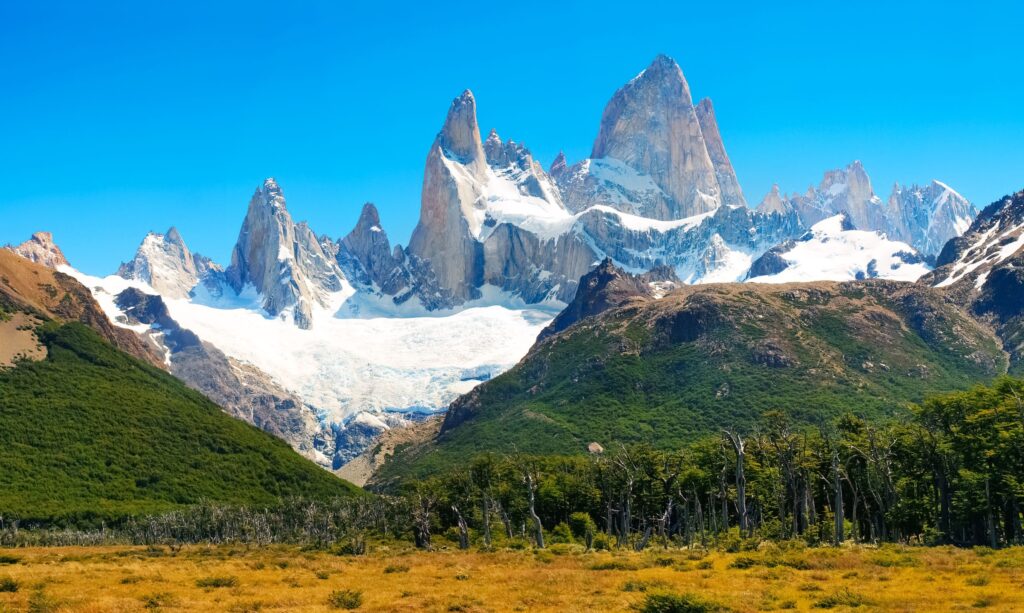
Mount Fitz Roy, Patagonia, Argentina
Pointed peaks. The peaks of the highest mountains are surrounded by glaciers. The glaciers’ erosive action on the base of these peaks creates sharp, pointed summits.
What Is Erosion? Causes and Consequences
Erosion is a natural process that shapes Earth’s surface by wearing away and transforming rocks over time. This process not only changes the physical landscape but also has significant effects on biodiversity and human activities. Understanding how erosion occurs and the results it produces helps us better understand the dynamic nature of Earth’s surface.
Erosion can be caused by various agents, including water, wind, ice, and even living organisms. Its effects can be seen in landscapes around the world, from gentle mountain slopes to the dramatic forms of canyons and rock pillars.
The Difference Between Weathering and Erosion
Although the terms are sometimes used interchangeably, weathering and erosion are different processes. Weathering is the breakdown or disintegration of rocks in the place where they are found, without any movement of the material. Erosion, on the other hand, involves the transport of that weathered material by an external agent, such as water, wind, or ice, to another location.
In other words, weathering prepares the material; erosion moves and redistributes it.
WRITTEN BY Lucas Ubach Corpas
Pictures & Illustrations credits
- Horseshoe bend – 珂 杨, PIXABAY
- Goblin Valley State Park – CGP Grey, Wikimedia Commons
- Colorado River – Don Graham, Wikimedia Commons
- Stone Tree – El Guanche, Wikipedia Commons
- Bardenas reales – Royce Bair, ©123RF.COM
- Mount Fitz Roy – Jakobradlgruber, ©123RF.COM





Leave a Reply